St Louis Windshield Repair

314.809.2048

  • Home
  • Repairs
  • Replacements
  • Gallery
  • Our Pricing
  • About Us
  • FAQ’s
    • How We Fix It
  • Reviews
  • Blog
  • Contact Us

July 9, 2026 By TeddMoore Leave a Comment

How Road Construction Season in St. Louis Leads to Windshield Damage

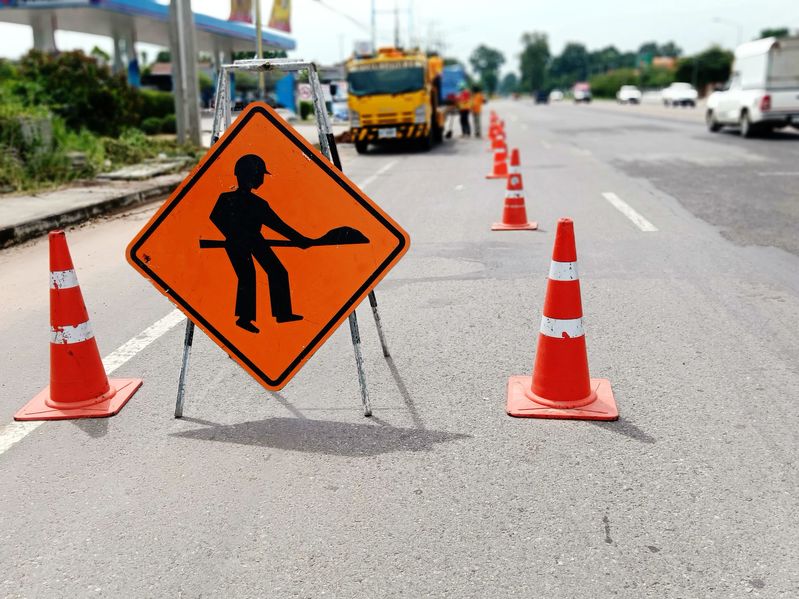
Road construction sign with cones and work truck on roadAs temperatures rise, road construction projects become a familiar sight throughout the St. Louis area. From highway improvements to neighborhood street repairs, these projects keep local roads in good condition. However, they also create conditions that can increase the risk of windshield damage.

Loose gravel, uneven pavement, and construction vehicles all contribute to a greater chance of rocks and debris striking your windshield. While you can’t avoid every construction zone, understanding the risks can help you protect your vehicle and know when to address windshield damage before it gets worse.

Why Construction Season Increases the Risk of Windshield Damage

Road construction often involves removing old pavement, laying fresh asphalt, and spreading gravel or other materials. During these projects, loose rocks and debris can remain on the roadway, even when crews work to keep areas clear. As vehicles travel over these surfaces, tires can kick up small stones at high speeds. It only takes one piece of debris hitting your windshield to leave behind a chip or crack.

Construction zones on busy roads and highways can be especially hazardous because traffic moves quickly, giving drivers little time to avoid flying debris.

Loose Gravel Is a Common Culprit

One of the most common causes of windshield chips during construction season is loose gravel. Freshly paved roads are often covered with small stones that help create a smooth driving surface. Gravel may also be present on temporary roadways, shoulders, or areas where repairs are still underway. When other vehicles drive over these materials, rocks can be thrown into the air, striking nearby windshields. Even a small stone can leave noticeable damage, especially if it hits the glass at highway speeds.

Construction Vehicles Can Increase Debris

Dump trucks, utility vehicles, and heavy equipment are common around road work zones. These vehicles often carry dirt, gravel, or construction materials that can find their way onto the roadway. While construction companies work to transport materials safely, loose debris can occasionally fall from vehicles or become scattered throughout the work area.

Drivers should remain alert when traveling near construction equipment and give larger vehicles extra space whenever possible.

Highway Speeds Make Impacts More Severe

Many construction projects take place on major highways throughout the St. Louis area. At higher speeds, rocks and debris can strike with much greater force than they would on slower neighborhood streets. This increased impact can turn what might have been a tiny blemish into a noticeable windshield chip.

How to Reduce Your Risk in Construction Zones

Although windshield damage can’t always be prevented, there are several ways to reduce your chances of being struck by road debris.

  • Leave Extra Following Distance
  • Slow Down When Conditions Allow
  • Watch for Loose Gravel Signs
  • Stay Alert Around Large Trucks
  • Don’t Ignore New Windshield Damage

After driving through a construction zone, it’s a good idea to inspect your windshield for any new chips or cracks. Some damage is easy to miss at first, especially if it’s near the edges of the glass.

Even a small chip can grow larger over time due to everyday driving, road vibrations, and changing temperatures. Addressing damage early may help prevent it from spreading into a crack that requires more extensive repairs.

If you need windshield repair or replacement services in St. Lous, learn how we can help.
Filed Under: Windshield Chips, Windshield Repairs

June 25, 2026 By TeddMoore Leave a Comment

Can Heat Make Windshield Damage Worse?

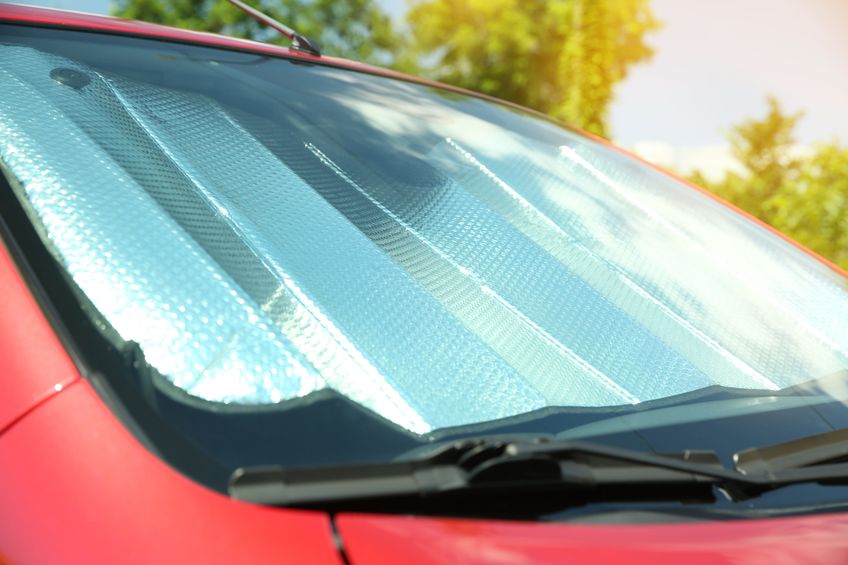
Sun shade on windshield of carSummer temperatures in St. Louis can put vehicles through a lot. From long periods of direct sunlight to sudden temperature changes throughout the day, extreme heat affects many parts of a vehicle, including the windshield.

For drivers with existing chips or cracks, hot weather can create additional stress on damaged glass. A small chip that seemed like a minor issue can sometimes become a larger crack when exposed to changing temperatures and everyday driving conditions.

Understanding how heat affects windshield damage can help drivers know when it may be time to address a problem before it grows.

Why Heat Can Affect a Damaged Windshield

A vehicle windshield is built to withstand normal driving conditions, but damaged glass is more vulnerable to outside pressure. When a windshield has a chip or crack, the surrounding area is already weakened.

As temperatures rise, the glass expands. When temperatures drop again, the glass contracts. This constant expansion and contraction can put stress on damaged areas, increasing the possibility that a small chip may spread into a longer crack. This is especially common during seasons with large temperature swings, such as summer evenings when a hot vehicle cools down quickly after sunset.

How Summer Temperatures Can Impact Windshield Chips

A small chip may not seem like a major concern at first. Many drivers continue using their vehicles without addressing minor damage, especially if the windshield is still easy to see through.

However, heat can make existing damage more unpredictable. A chip may begin to spread due to:

  • High outdoor temperatures
  • Direct sunlight exposure
  • Sudden cooling from air conditioning
  • Road vibrations while driving
  • Additional impacts from debris

While temperature alone may not always cause windshield damage to worsen, it can contribute additional stress to areas that are already compromised.

Does Using Air Conditioning Damage Your Windshield?

While air conditioning itself does not damage a healthy windshield, sudden temperature differences can place stress on glass that already has a chip or crack. For example, a vehicle sitting in direct sunlight can have very hot glass. Introducing a much cooler interior temperature may create a rapid change in conditions.

When a windshield already has damage, these temperature changes may increase the chance of the crack spreading.

Why Small Chips Should Be Addressed Early

One of the challenges with windshield damage is that it can change over time. A chip that appears stable today may become a larger crack after exposure to heat, road conditions, or another impact.

Addressing windshield chips early may help prevent the damage from becoming more extensive. In some cases, repairing smaller damage can be a simpler solution than waiting until a full windshield replacement is needed.

Drivers should pay attention to changes such as:

  • A chip growing in size
  • New cracks extending from an impact point
  • Damage spreading after hot weather
  • Cracks moving toward the edge of the windshield
  • Summer Driving Conditions Can Add More Risk

Heat is only one factor that can affect windshield damage. Summer driving often brings additional risks, including:

  • More highway travel
  • Increased road construction
  • Loose gravel and debris
  • More vehicles on the road during vacations and events

A windshield that already has damage may be more likely to worsen when combined with these everyday driving conditions.

Protecting Your Windshield During Hot Weather

While drivers cannot control the weather, they can take steps to reduce stress on their windshield:

  • Avoid ignoring small chips or cracks
  • Park in shaded areas when possible
  • Avoid sudden temperature changes when practical
  • Leave extra space behind vehicles on roads with loose debris
  • Have new damage evaluated sooner rather than later

Regular attention to windshield condition can help drivers avoid unexpected problems during the hottest months of the year.

Keep Summer Heat From Turning a Small Problem Into a Bigger One

St. Louis summers bring plenty of heat, sunlight, and changing conditions that can affect damaged windshield glass. A small chip may not seem urgent, but heat and everyday driving can contribute to damage spreading over time.

If you notice a chip or crack in your windshield, addressing it early can help. Contact us for any windshield repair.

Filed Under: Windshield Chips, Windshield Repairs

May 15, 2026 By Web Support Leave a Comment

Windshield Chip vs. Crack: When Is Repair No Longer an Option?

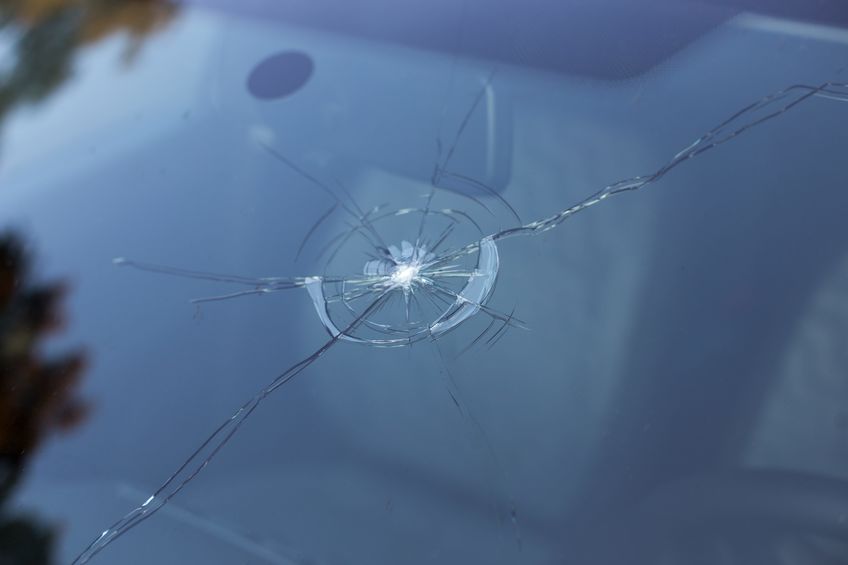
Small crack in a car windshieldWindshield damage can happen unexpectedly. A small rock on the highway, loose gravel from a construction zone, or sudden temperature changes can all leave marks on your windshield. In many cases, the damage starts small, making it difficult to know whether a repair will be enough or if the entire windshield needs to be replaced.

Understanding the difference between a windshield chip and a crack can help drivers make informed decisions and avoid allowing minor damage to become a larger issue.

What Is a Windshield Chip?

A windshield chip is a small area of damage caused by impact. Chips are often created when rocks or debris strike the glass at high speed. Depending on the severity of the impact, chips may appear as small pits, circular marks, star-shaped breaks, or short surface cracks.

Many chips are relatively minor when they first occur. However, even small chips can weaken the windshield and become worse over time. Moreover, since windshield glass experiences constant vibration and exposure to changing temperatures, damage rarely stays exactly the same for long.

What Is a Windshield Crack?

A crack is a line that extends across the windshield glass. Cracks may begin as small fractures connected to a chip, or they may form immediately after a stronger impact.

Unlike chips, cracks are more likely to spread quickly. Driving vibrations, potholes, weather changes, and additional pressure on the glass can all contribute to crack growth. Some cracks remain short initially, while others can extend across a large portion of the windshield in a relatively short amount of time.

When Windshield Repair May Be Possible

In many situations, smaller chips and limited damage can be repaired before the problem spreads. Windshield repair is generally intended for minor damage that has not significantly compromised the glass.

Several factors may affect whether repair is still an option, including the size of the damage, the depth and location of impact and whether the damage has spread.

Notably, damage located away from the driver’s direct line of sight is often easier to address than damage in highly visible areas. Addressing chips early is important because waiting too long may allow cracks to form, reducing the likelihood that repair alone will be effective.

When Windshield Replacement May Be Necessary

Some types of damage are too extensive for standard repairs. In these situations, a full windshield replacement may be recommended to restore the integrity of the glass.

Replacement may become necessary if:

  • The crack is long or spreading rapidly
  • The damage reaches the edge of the windshield
  • Multiple cracks or chips are present
  • The glass has been significantly weakened
  • The damage interferes with visibility

Large cracks can affect both visibility and the structural strength of the windshield, making replacement the safer long-term solution in many cases.

Why It’s Important Not to Ignore Damage

One of the biggest mistakes drivers make is assuming small windshield damage can wait indefinitely. Unfortunately, even minor chips can spread unexpectedly.

Temperature fluctuations are a major cause of worsening damage in Missouri. Hot summers, freezing winters, and sudden weather changes can all place additional stress on already weakened glass.

Daily driving conditions also contribute to expansion. Rough roads, potholes, and vibrations from highway travel can gradually turn a small chip into a larger crack. Taking care of damage early may help reduce the risk of more extensive repairs later.

Knowing When to Act

If you notice a chip or crack in your windshield, having it evaluated early can help determine whether repair is still possible. Small damage may not seem urgent at first, but delaying attention can allow the problem to spread beyond repairable limits.

Understanding the difference between chips and cracks, and knowing when replacement may be necessary, can help drivers protect both their visibility and the condition of their vehicle.

If you need windshield repairs in St. Louis, reach out to us today.

Filed Under: Windshield Chips, Windshield Repairs, Windshield Replacement

Repairs & Replacements

  • This field is for validation purposes and should be left unchanged.
  • Accepted file types: jpg, jpeg, png, gif, Max. file size: 32 MB.

Hours

We work Weekdays and Saturdays for your convenience. Call us at 314.809.2048 or Contact Us now!

OUR SHOP ADDRESS: 8726 Watson Rd, St Louis, MO 63119
Sitemap

Some of our service areas:

St Louis, Chesterfield, Kirkwood, Oakville, Creve Coeur, Webster Groves, Affton, Union, Washington, St. Clair

Like us on Facebook!

Follow Us on Facebook

Location

Search

© 2026 St Louis Windshield Repair · Website built by Response Targeted Marketing · Log In